A few days ago, my dad and I were talking about an article he had just read in the Harvard Business Review called “The Hidden Beliefs That Hold Leaders Back.” He asked me, “What do you think are some hidden beliefs that hold teens back?”
That question led to one of those conversations that keeps you thinking long after it ends. We realized that adults and teens often struggle with some of the same thought patterns, even though they show up in different ways. Here are a few of the hidden beliefs we talked about and what I’ve learned from noticing them.
1. “If I’m not naturally good at something, it’s not for me.”
This belief shows up any time we try something new. I’ve felt it in dance rehearsals when I can’t pick up choreography right away, or in choir when I miss a note that others seem to hit easily. It’s easy to think, maybe this just isn’t my thing. But I’ve learned that talent doesn’t decide everything; practice does. The dancers and performers who look effortless have usually worked harder than anyone else. Growth takes time, repetition, and patience.
2. “Being busy means I’m being productive.”
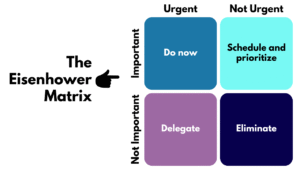
Between classes, student council meetings, rehearsals, and competitions, it’s easy for my calendar to fill up fast. Sometimes I check off a hundred little things and still feel like I haven’t made progress on what really matters. Real productivity isn’t about doing more; it’s about moving forward on the things that count most. I’ve learned to ask, Did today’s effort get me closer to a goal I actually care about?
3. “If I ask for help, people will think I’m not capable.”
I used to think good leaders always have the answers. But leadership—whether it’s in student government or a group project—often means asking for advice and listening carefully. When I interviewed Dr. Jerry Smith on our podcast, he said that the most successful teens and college students are the ones who actively seek mentors. That stuck with me. Asking for help isn’t weakness; it builds strength.
4. “I have to be perfect or I’ve failed.”
Perfectionism shows up in so many ways, especially in performance. In musical theater, one wrong line or missed cue can feel huge. But striving for perfect can stop you from taking creative risks or enjoying what you’ve already achieved. I’ve learned that progress is better than perfection and that learning is supposed to look messy at first.
5. “Other people’s opinions define my success.”
In performance and student life, it’s easy to compare yourself—who got the lead role, who was elected, who posted what. But that kind of comparison takes the joy out of everything. I’m still learning that real confidence comes from defining success for myself, based on my own values and goals, not other people’s reactions.
6. “I’ll feel ready once I’m more confident.”
Before performances or presentations, I sometimes wait for that perfect moment when I’ll finally feel ready. But confidence doesn’t come first. It grows after you take action. Each time I step on stage or speak up in a meeting, I prove to myself that I can do hard things even when I’m nervous. Acting first builds the confidence we’re waiting for.
7. “If I fail, people will think I’m not smart.”
Failure can sting, especially when you’ve put your heart into something. I’ve forgotten choreography, missed notes, and lost elections. But every time, I’ve learned more than I did from my successes. Failure isn’t proof you’re not capable. It’s feedback that helps you grow stronger and more resilient.
The takeaway
Hidden beliefs quietly shape how we think, act, and respond to challenges. When we start to notice and question them, we give ourselves a chance to replace them with stronger ones. That process doesn’t just build confidence, it also strengthens the executive functioning skills that help us focus, plan ahead, manage time, and stay flexible under pressure.
FOR PARENTS >>>
After reading this post, ask your teen which of these beliefs feels most familiar. Then share a hidden belief you struggled with when you were younger and how you learned to move past it. When teens hear that adults once felt the same way, it helps them see that growth and confidence are lifelong skills.